

Introduction
Build quality is one of the most important factors to consider when choosing an electronic product. Whether it is a smartphone, laptop, tablet, smartwatch, camera, television, or another device, build quality affects durability, comfort, reliability, and the overall experience of using the product.
A device may have powerful hardware and impressive specifications, but poor construction can reduce its practical value. A well-built electronic product should not only look attractive but also feel solid, function reliably, and withstand normal everyday use.
Build quality includes much more than the material used on the outside of a product. It involves the design, materials, construction methods, assembly, buttons, ports, display protection, structural strength, finishing, and resistance to everyday wear. Internal components and how they are arranged can also influence the durability and reliability of a device.
As electronics become thinner, lighter, and more sophisticated, manufacturers face the challenge of combining portability with strength. Good design attempts to balance these factors while maintaining performance and usability.
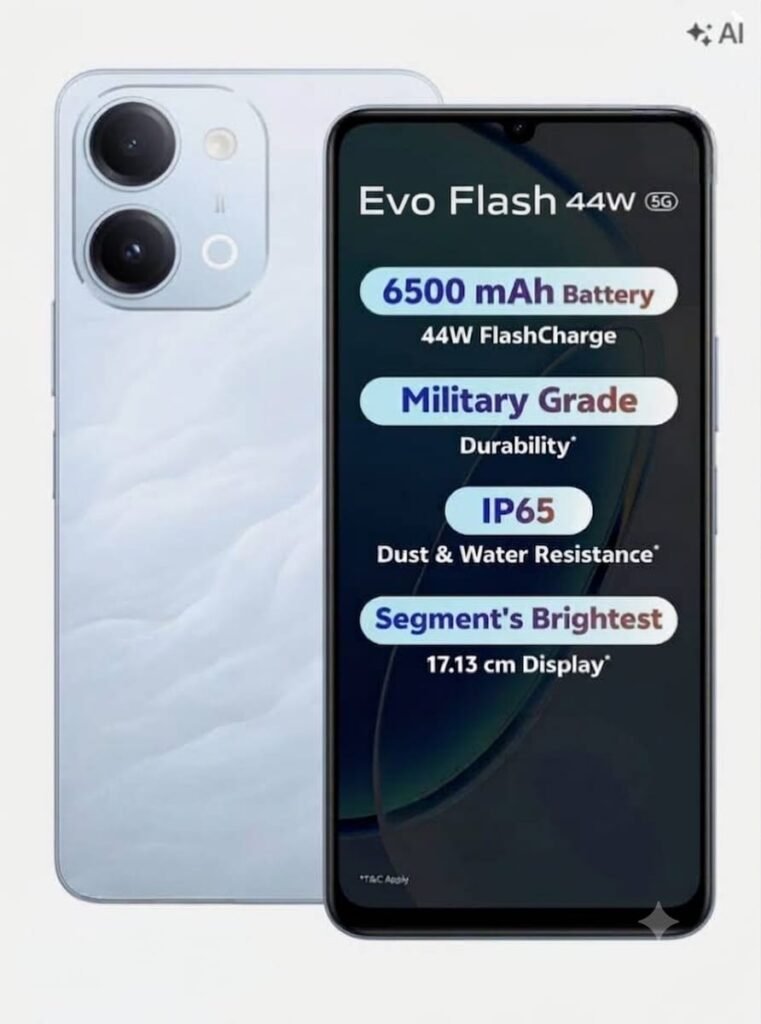
What Is Build Quality?
Build quality refers to how well an electronic product is designed, constructed, assembled, and finished. It describes the physical quality of the product and how effectively its components work together as a durable structure.
A well-built product usually feels sturdy and carefully assembled. Panels should fit properly, buttons should operate consistently, ports should feel secure, and there should not be unnecessary movement or looseness between components.
Build quality can be evaluated through several characteristics:
- Materials used
- Structural strength
- Assembly quality
- Surface finishing
- Button and port quality
- Display protection
- Weight distribution
- Resistance to everyday wear
- Thermal design
- Protection against environmental conditions
Good build quality does not necessarily mean a product must be expensive or made entirely from premium materials. A carefully engineered plastic device can have excellent build quality if its materials, structure, and assembly are well designed.
Why Build Quality Matters
Build quality matters because electronic devices are used repeatedly and often carried from one place to another. Smartphones may be placed in pockets or bags, laptops may be transported between locations, and cameras may be used outdoors.
A strong construction can help a device withstand normal everyday handling.
Good build quality can also improve the user experience. A device that feels solid and well finished can be more comfortable to hold and use. Properly designed buttons and ports can make everyday interactions easier.
Reliability is another important factor. A well-constructed product is generally designed to reduce unnecessary physical stress on its components.
However, even a well-built product can be damaged by drops, liquids, extreme temperatures, or improper handling. Build quality improves durability but does not make a device indestructible.
Materials and Build Quality
The materials used in a product have a major influence on its physical characteristics.
Common materials used in electronics include:
- Plastic
- Aluminum
- Stainless steel
- Glass
- Ceramic
- Magnesium alloys
- Carbon-fiber-based materials
Each material has advantages and disadvantages.
Plastic can be lightweight, flexible, affordable, and resistant to certain types of impact. High-quality plastics can provide excellent durability while keeping manufacturing costs under control.
Aluminum can provide a premium appearance and strong structural support while remaining relatively lightweight. It is commonly used in laptop bodies and smartphone frames.
Stainless steel is strong and durable but generally heavier than aluminum.
Glass is frequently used on smartphone fronts and backs because it provides a smooth and premium appearance. However, glass can be vulnerable to scratches or breakage if the device is dropped.
The best material depends on the product’s purpose and design.
Structural Strength
Structural strength refers to how well a device maintains its shape and integrity when subjected to normal physical forces.
A strong structure distributes stress across the body instead of concentrating it in one small area.
For example, a smartphone frame needs to support the display, internal components, cameras, battery, and other hardware. A laptop chassis must support the screen hinges, keyboard, trackpad, motherboard, battery, and other components.
Engineers consider factors such as thickness, internal support structures, material properties, and component placement when designing these products.
A device can be lightweight while still being structurally strong if the internal design is carefully engineered.
Smartphone Build Quality
Smartphones are among the most frequently handled electronic devices. Because they are carried every day, build quality is particularly important.
A well-built smartphone typically has a rigid frame, properly fitted panels, secure buttons, and carefully aligned components.
The frame provides structural support and helps protect internal hardware. The front and rear surfaces must also be designed to withstand normal use.
Modern smartphones may use aluminum, stainless steel, reinforced glass, or high-quality polymers.
The choice of material influences weight, appearance, grip, heat transfer, and durability.
Laptop Build Quality
Laptops require a different approach to build quality because they contain moving parts such as hinges and are frequently opened, closed, carried, and placed on different surfaces.
The chassis should provide adequate support while keeping the laptop reasonably portable.
The keyboard deck should resist excessive flex during normal typing. The display lid should be sufficiently rigid to protect the screen.
Hinge quality is particularly important. Hinges should provide consistent resistance while allowing the display to open and close smoothly.
Ports and connectors should also be securely mounted because they may experience repeated use.
Display Protection
Displays are among the most important and vulnerable components of modern electronics.
Manufacturers use strengthened glass and protective materials to improve resistance to scratches and accidental impacts.
A display’s durability depends on several factors, including the glass technology, frame design, thickness, and how far the display extends toward the edges.
Screen protection is especially important for smartphones because users interact with them constantly.
However, even strengthened glass can be damaged under certain conditions. Using a suitable protective case and screen protector can provide additional protection.
Buttons and Controls
Small physical components can reveal a lot about build quality.
Buttons should provide consistent feedback and should not feel unnecessarily loose. The power button, volume controls, camera shutter buttons, and other physical controls may be pressed thousands of times during a product’s useful life.
A well-designed button should provide a predictable response and remain comfortable during repeated use.
The quality of buttons also depends on their internal switches and mounting system.
Ports and Connectors
Charging ports, headphone ports, USB ports, memory-card slots, and other connectors experience repeated insertion and removal.
Good construction ensures that these ports remain securely attached to the device.
A loose port can become inconvenient and may eventually affect connectivity or charging reliability.
Modern devices increasingly use USB-C for charging and data transfer. The surrounding frame should provide sufficient structural support because the connector is frequently handled.
Hinges and Moving Components
Moving parts require careful engineering because repeated movement can create mechanical stress.
Laptop hinges are a common example. A good hinge should open smoothly while holding the display securely at different angles.
Foldable smartphones introduce even more complex mechanical requirements because their displays and hinges are repeatedly folded and unfolded.
Manufacturers need to consider flexibility, friction, alignment, material fatigue, and protection of internal components.
Water and Dust Resistance
Some electronic devices are designed to resist exposure to water and dust.
Water and dust resistance can be particularly useful for smartphones, smartwatches, outdoor cameras, and other portable devices.
Protection levels are often described using standardized ratings. These ratings indicate the conditions under which a device has been tested.
However, water resistance should not be interpreted as unlimited waterproofing. Seals and protective structures can deteriorate over time, and damage or repairs may affect protection.
Users should always follow the manufacturer’s recommendations regarding exposure to water and other liquids.
Heat and Build Quality
Thermal management is another important part of physical design.
Electronic components generate heat during operation. If heat is not managed effectively, it can affect performance, battery life, and component longevity.
Manufacturers use materials such as aluminum, copper, graphite, thermal pads, heat pipes, vapor chambers, and cooling fans depending on the device.
The physical construction determines how effectively heat can move away from high-temperature components.
A well-designed thermal system can help maintain stable performance during demanding tasks.
Weight and Balance
Build quality is also related to how a device feels when held or carried.
A product that is too heavy may become uncomfortable during extended use. On the other hand, extremely lightweight construction may require careful engineering to maintain structural strength.
Weight distribution is particularly important for laptops, tablets, cameras, and smartphones.
A balanced device can feel more comfortable and stable even when its overall weight is relatively high.
Good industrial design considers both durability and ergonomics.
Finishing Quality
The surface finish of a product contributes to its appearance and everyday usability.
Finishes may include matte, glossy, brushed, textured, metallic, or polished surfaces.
A good finish should be consistent across the product and should complement its intended use.
For example, a matte surface may reduce visible fingerprints, while a glossy surface can create a more reflective premium appearance.
Surface coatings can also provide protection against minor scratches and everyday wear.
Manufacturing and Assembly
Build quality depends heavily on manufacturing and assembly processes.
Even high-quality materials cannot guarantee a durable product if components are assembled incorrectly.
Manufacturers use automated systems, precision tools, quality-control procedures, and testing processes to maintain consistency.
Assembly checks can include examining alignment, buttons, ports, displays, hinges, and other components.
Consistent manufacturing is important because customers expect different units of the same product to provide similar levels of quality.
Quality Control
Quality control helps identify manufacturing defects before products reach customers.
Testing can include physical inspections, functional testing, temperature testing, button testing, display testing, charging tests, and other procedures.
Some manufacturers also perform durability tests that simulate repeated everyday use.
The exact testing methods differ between companies and products.
Strong quality-control systems can reduce the likelihood of defects and help maintain consistent manufacturing standards.
Durability Testing
Durability testing is designed to determine how products respond to different forms of physical stress.
Depending on the product, manufacturers may test:
- Button presses
- Port insertion cycles
- Hinge movement
- Temperature changes
- Vibration
- Mechanical pressure
- Drop resistance
- Screen durability
- Battery behavior
- Environmental exposure
These tests do not guarantee that a product cannot be damaged. Instead, they help manufacturers identify weaknesses and improve product design.
Real-world conditions can be unpredictable, so users should still handle electronic products carefully.
Build Quality and Design
Build quality and industrial design are closely connected.
A product’s design determines not only how it looks but also how components are positioned and protected.
Good design can make a device easier to repair, cool, hold, transport, and use.
For example, placing internal components carefully can help improve cooling and reduce pressure on sensitive parts.
Design also influences how easily a device can be opened or serviced. Some products are designed with repairability in mind, while others prioritize thinness or compactness.
Build Quality and Longevity
A durable product can provide value over a longer period.
Long-term reliability depends on both physical construction and electronic components.
A strong chassis cannot prevent every possible failure. Batteries naturally age, software changes, and electronic components can eventually develop faults.
However, good build quality can reduce physical wear and help a device withstand regular handling.
Long-term durability is especially valuable for users who plan to keep a device for several years.
Build Quality vs. Appearance
A product can look premium without necessarily having excellent build quality.
Manufacturers can use attractive finishes, thin profiles, and polished surfaces to create a premium appearance. However, true build quality also involves structural strength, component fitting, reliability, and careful engineering.
Similarly, a device made from plastic should not automatically be considered poorly built.
The correct way to judge build quality is to look at the entire construction rather than focusing on appearance or material alone.
How to Check Build Quality
Consumers can evaluate build quality by paying attention to practical details.
First, examine how the panels fit together. There should not be unusual gaps or misalignment.
Next, check buttons and ports. They should feel secure and operate consistently.
For laptops, test the hinge and keyboard deck. The display should move smoothly, and the chassis should provide adequate support.
For smartphones, examine the frame, display alignment, camera module, buttons, and overall rigidity.
It is also useful to research durability testing, warranty information, repair options, and long-term user experiences before purchasing an expensive device.
Build Quality and User Experience
Good build quality can make everyday technology more enjoyable.
A smartphone that feels comfortable and solid can be easier to use for extended periods. A laptop with a strong hinge and rigid keyboard deck can provide a more reliable working experience.
The small details matter. Button feedback, port placement, weight distribution, surface texture, and display protection can all influence how users interact with a device.
Build quality is therefore not only about preventing damage. It is also about creating a product that feels dependable during everyday use.
Maintenance and Build Quality
Users can help preserve the physical condition of their devices through proper maintenance.
Keeping surfaces clean can prevent dirt and debris from accumulating around ports and buttons.
Protective cases can help protect smartphones and tablets from accidental impacts. Laptop sleeves can provide additional protection during transportation.
Devices should also be kept away from unnecessary moisture, excessive heat, and environments that could damage sensitive components.
Regular care cannot prevent every form of wear, but it can help maintain a device’s condition.
Sustainability and Build Quality
Durability is also connected to sustainability.
When a product lasts longer, users may not need to replace it as frequently. This can reduce the amount of electronic waste generated over time.
Manufacturers can support sustainability by designing products that are durable, repairable, and supported with replacement parts and software updates.
Material selection also matters. Recycled materials, efficient manufacturing processes, and responsible sourcing can contribute to more sustainable electronics.
A long-lasting product can provide both practical and environmental benefits.
Repairability and Build Quality
Repairability is increasingly becoming an important consideration when evaluating electronic products.
A device that can be repaired more easily may remain useful for longer. Replaceable batteries, accessible components, standardized screws, and available replacement parts can make maintenance easier.
Some modern products are designed with tightly integrated components, which can make repairs more complicated.
Users interested in long-term ownership should consider warranty coverage, service availability, replacement parts, and repair options before purchasing a product.
Build Quality in Future Electronics
Future electronic products are likely to become thinner, lighter, and more sophisticated. This will increase the importance of careful engineering.
Foldable displays, flexible components, advanced cooling systems, and compact internal layouts will create new challenges for manufacturers.
Materials may also continue to evolve. New alloys, reinforced composites, ceramics, recycled materials, and advanced protective coatings could provide improved combinations of strength and weight.
Manufacturers will need to balance durability with sustainability, repairability, portability, and performance.
Conclusion
Build quality is a fundamental part of a good electronic product. It influences durability, reliability, comfort, appearance, and long-term usability.
A strong build is not determined by one material or one specification. It is the result of careful engineering, suitable materials, precise assembly, effective quality control, thoughtful design, and appropriate testing.
When choosing electronics, users should look beyond specifications and examine the complete construction of the product. Factors such as frame strength, display protection, buttons, ports, hinges, thermal design, water and dust resistance, weight distribution, and repairability can provide a better understanding of real-world quality.
Good build quality can make a device feel more dependable and can help it withstand the demands of everyday use. As technology continues to evolve, durable and thoughtfully designed electronics will remain valuable to consumers who want products that provide reliable performance over the long term.