

A device is an important part of modern life. From smartphones and laptops to smartwatches, tablets, home appliances, cameras, and connected equipment, devices help people communicate, work, study, travel, shop, and manage everyday activities. Technology has developed rapidly, making modern devices smaller, faster, smarter, and more connected than ever before.
Today, a device is not simply a piece of hardware. Many modern devices combine hardware, software, sensors, connectivity, and intelligent features to provide a complete user experience. A smartphone, for example, can function as a communication tool, camera, navigation system, entertainment platform, payment tool, and productivity device.
Understanding different types of devices and their features can help users choose the right products and use them more effectively. This guide explains what a device is, the major categories of devices, how they work, their benefits, important features, safety considerations, maintenance practices, and the future of device technology.
What Is a Device?
A device is an object or piece of equipment designed to perform a particular function. In technology, the term usually refers to an electronic or digital product that receives information, processes it, stores it, communicates with other systems, or produces an output.
Devices can range from simple electronic products to highly advanced computing systems. A digital clock is a relatively simple device, while a modern computer or smartphone contains numerous components that work together to perform complex tasks.
Most electronic devices require a power source. This may come from a rechargeable battery, replaceable battery, power adapter, or another electrical source. Many devices also contain processors, memory, storage, sensors, displays, communication components, and specialized circuits.
The purpose of a device determines its design and features. A camera focuses on image capture, a smartwatch focuses on wearable functions and connectivity, while a laptop is designed for computing and productivity.
How Does a Device Work?
Although different devices have different designs, many modern electronic devices follow a basic process of input, processing, and output.
First, the device receives an input. This input could come from a user, sensor, camera, microphone, keyboard, touchscreen, or another connected device.
The device then processes the information using electronic circuits, a processor, software, or a combination of these components.
Finally, the device produces an output. The output could be displayed on a screen, played through speakers, stored in memory, transmitted over a network, or used to control another system.
For example, when someone takes a photograph using a digital device, the camera sensor captures light and converts it into electronic information. A processor processes that information, and the resulting image is stored in digital memory.
This basic process is found in many types of modern technology.
Major Types of Devices
There are many categories of devices available today. Each category is designed to meet different requirements.
Smartphones
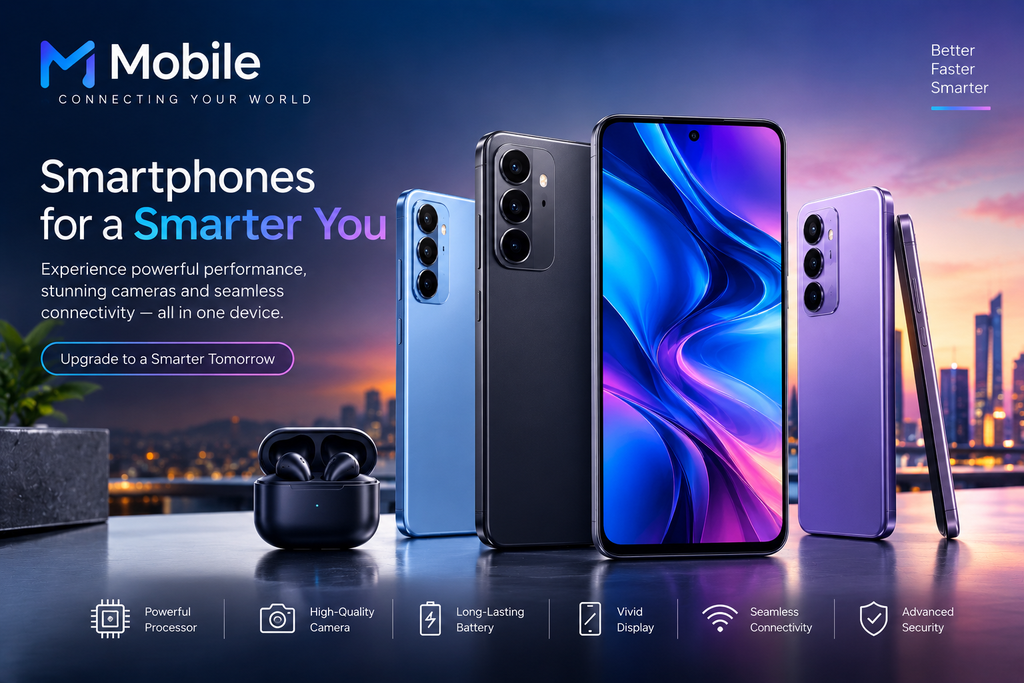
Smartphones are among the most widely used modern devices. They combine communication, computing, photography, entertainment, navigation, and internet access in a portable form.
A smartphone can be used for calls, messages, video calls, online learning, social media, photography, gaming, banking, shopping, and many other activities.
Modern smartphones commonly include touchscreens, cameras, processors, wireless connectivity, location technology, sensors, and rechargeable batteries.
When choosing a smartphone, users should consider performance, battery life, display quality, storage, camera capabilities, software support, durability, and price.
Laptops
A laptop is a portable computer designed for productivity, education, business, entertainment, and other computing tasks.
Unlike many mobile devices, laptops generally provide a larger screen and physical keyboard, making them suitable for writing documents, programming, designing, editing, research, and professional work.
Important laptop specifications can include processor performance, memory, storage capacity, display quality, battery life, connectivity, and build quality.
The right laptop depends on how it will be used. A student performing basic academic work may have different requirements from a professional working with demanding software.
Tablets
Tablets provide a larger touchscreen experience than many smartphones while remaining relatively portable.
They are commonly used for reading, online classes, browsing, entertainment, drawing, note-taking, presentations, and lightweight productivity.
Some tablets support keyboards, digital pens, and other accessories, allowing them to perform tasks that are closer to those of traditional computers.
Smartwatches
A smartwatch is a wearable device designed to provide information and connected features directly from the wrist.
Depending on the model, a smartwatch may provide notifications, alarms, communication features, activity tracking, navigation, music controls, and other functions.
Smartwatches usually communicate with smartphones or wireless networks to provide connected services.
Because they are worn throughout the day, comfort, battery life, durability, display quality, and compatibility are important considerations.
Cameras
Digital cameras are devices designed primarily for photography and video recording.
Dedicated cameras can provide advanced controls and imaging capabilities. They may offer interchangeable lenses, larger sensors, optical controls, and specialized photography features.
However, smartphones have also become capable photography devices, making them convenient for everyday image capture.
The right camera depends on the user’s experience, purpose, budget, and desired image quality.
Audio Devices
Audio devices include headphones, earbuds, speakers, soundbars, microphones, and other equipment used for listening or recording sound.
Wireless audio devices have become particularly popular because they reduce cable clutter and can connect easily to smartphones, computers, and other compatible equipment.
When selecting an audio device, users should consider sound quality, comfort, battery life, connectivity, durability, and intended use.
Smart Home Devices
Smart home devices connect technology with household activities. Examples include smart lights, smart speakers, connected cameras, smart plugs, thermostats, and other connected appliances.
Many smart home devices can be controlled through smartphone applications or voice interfaces.
The main advantage is convenience. Users can monitor or control certain household functions from a central application or through automated routines.
However, connected devices should be configured securely because they may communicate over the internet or a home network.
Important Components Inside a Device
Modern electronic devices contain many components that work together.
Processor
The processor performs calculations and executes instructions. Its capabilities can strongly influence how quickly a device handles applications and tasks.
Memory
Memory allows a device to temporarily hold information required while applications and processes are running.
Devices with sufficient memory can generally handle multiple tasks more effectively, although actual performance also depends on software and other hardware.
Storage
Storage holds files, applications, photographs, videos, documents, and other information.
Storage may use different technologies depending on the device. Users should consider both the available capacity and the type of storage.
Battery
Portable devices commonly use rechargeable batteries. Battery capacity is usually expressed in units such as milliampere-hours, although actual battery life also depends on software, display settings, connectivity, applications, and usage patterns.
Display
Displays allow users to view information and interact with devices. Important display characteristics can include size, resolution, brightness, refresh rate, and panel technology.
Sensors
Sensors allow a device to detect information from its surroundings.
Modern devices may include motion sensors, light sensors, proximity sensors, temperature sensors, cameras, microphones, and location-related technologies.
Connectivity in Modern Devices
Connectivity is one of the most important characteristics of modern technology.
Devices can communicate through wired or wireless connections. Wi-Fi and Bluetooth are commonly used for local connectivity, while cellular networks provide mobile communication for supported devices.
Some devices also support technologies such as near-field communication for short-range interactions.
Connectivity allows devices to share information, access online services, communicate with other hardware, and become part of larger digital systems.
For example, a smartphone can connect to wireless headphones through Bluetooth, access the internet through Wi-Fi or a cellular network, and transfer files to another compatible device.
Benefits of Modern Devices
Modern devices provide several important benefits.
Convenience
Devices can simplify everyday activities. A single smartphone can replace several separate tools, including a camera, calculator, map, music player, alarm clock, and communication device.
Productivity
Computers, tablets, smartphones, and other devices help users create documents, manage information, communicate with colleagues, attend classes, and complete professional tasks.
Communication
Devices allow people to communicate quickly through calls, messaging, email, video conferencing, and other digital platforms.
Entertainment
Devices provide access to music, movies, games, books, photography, and other forms of entertainment.
Access to Information
Internet-connected devices allow users to access educational material, research, news, digital libraries, tutorials, and other resources.
Automation
Smart devices can automate repetitive tasks. Connected lighting, security systems, appliances, and other equipment can respond to schedules, sensors, or user commands.
Factors to Consider Before Buying a Device
Buying a device requires more than looking at its appearance or price. Several factors should be considered.
Purpose
Start by identifying what you actually need the device to do.
A device intended for basic communication may not require the same performance as one intended for gaming, professional editing, programming, or advanced design.
Performance
Performance depends on several components rather than a single specification.
Processor capability, memory, storage, software optimization, and thermal design can all affect how a device performs.
Battery Life
For portable devices, battery life is particularly important.
Users should consider how frequently they can charge the device and whether the battery can comfortably support their normal daily activities.
Build Quality
A device with good construction can provide greater durability and reliability.
Materials, design, protection features, and manufacturing quality can influence how well a device handles regular use.
Software Support
Software support is an important but sometimes overlooked factor.
Updates can provide security improvements, bug fixes, performance improvements, and new features. Before buying a device, it is useful to understand the manufacturer’s update policy where such information is available.
Compatibility
A device should work with the software, accessories, networks, and other equipment you intend to use.
Compatibility problems can reduce the usefulness of a product even when its hardware specifications appear attractive.
Warranty and Service
Warranty coverage and service availability are important considerations, particularly for expensive devices.
Users should read warranty conditions and understand what is covered before making a purchase.
Price and Long-Term Value
Price should be considered together with performance, reliability, support, and expected lifespan.
A lower-priced device may be appropriate for basic tasks, while a more capable device may provide better value for demanding workloads.
Device Security and Privacy
Connected devices can contain personal information, making security an important part of responsible technology use.
Users should create strong passwords and avoid using the same password across multiple accounts.
Software and security updates should be installed when appropriate. Updates can address vulnerabilities and improve the overall security of a device.
Users should also be careful when installing applications. Applications should preferably come from trustworthy sources, and unnecessary permissions should be reviewed.
For connected home devices, changing default passwords and securing the home network can provide additional protection.
Privacy settings should also be reviewed, particularly for devices that use cameras, microphones, location services, or other sensors.
Safe Use of Electronic Devices
Proper handling can help reduce accidents and extend the useful life of a device.
Use compatible chargers and power accessories. Damaged cables, plugs, or adapters should not be used.
Keep electronic devices away from moisture unless they are specifically designed for exposure to water.
Devices that generate significant heat require proper ventilation. Covering vents or using equipment in unsuitable environments can contribute to overheating.
Do not attempt to repair complex electronic equipment without the necessary knowledge and tools. Some devices contain components that can remain electrically charged even after the device has been disconnected from power.
Following the manufacturer’s instructions is one of the simplest ways to use a device safely.
How to Maintain a Device
Regular maintenance can improve reliability and extend the useful life of electronic products.
Keep screens and external surfaces clean using suitable cleaning materials. Avoid harsh chemicals that may damage protective coatings.
Keep software updated and remove applications that are no longer needed.
Manage storage space regularly. Removing unnecessary files can make it easier to install updates and keep important information organized.
Protect portable devices from unnecessary drops, extreme temperatures, and moisture.
For rechargeable devices, follow the manufacturer’s charging and storage recommendations.
If a device develops unusual heat, physical damage, swelling, repeated shutdowns, or other concerning symptoms, stop using it when appropriate and seek qualified service rather than continuing to operate it.
Device Performance and Lifespan
The lifespan of a device depends on its construction, components, usage, maintenance, software support, and operating conditions.
Heavy use can place greater demands on hardware, while poor ventilation, physical damage, or unsuitable environmental conditions can affect reliability.
Good maintenance does not guarantee that a device will last indefinitely, but it can reduce avoidable problems.
Users should also consider repairability. In some cases, replacing a battery, storage component, or other serviceable part may extend the useful life of a product.
Responsible replacement decisions can also reduce electronic waste.
Devices and the Internet of Things
The Internet of Things, often called IoT, refers to connected physical devices that can collect, transmit, or exchange information.
Examples include connected lights, sensors, cameras, appliances, industrial machines, and environmental monitoring systems.
IoT devices can provide automation and remote monitoring. For example, a sensor can detect a particular condition and send information to a connected system.
However, connected devices also create security considerations. A poorly secured device may become an entry point into a network.
For this reason, users should keep connected devices updated, use secure passwords, and purchase products from manufacturers that provide appropriate security support.
Role of Devices in Education
Devices have transformed the way students access and interact with educational information.
Computers, tablets, smartphones, projectors, interactive displays, and other technology can provide access to digital books, educational videos, online courses, simulations, research resources, and collaboration tools.
Students can use devices to write assignments, create presentations, conduct research, practice skills, and communicate with teachers or classmates.
However, technology works best when combined with critical thinking and active learning. A device should support learning rather than replace understanding.
Devices in Business
Businesses rely on devices for communication, productivity, customer service, payments, data management, security, and operations.
Computers and mobile devices allow employees to work with documents, email, business applications, and online platforms.
Point-of-sale devices help businesses process transactions, while networking equipment connects computers and other systems.
Security cameras, access-control equipment, scanners, printers, and specialized industrial devices also play important roles in different industries.
As businesses become more dependent on digital systems, device reliability and security become increasingly important.
Environmental Impact of Devices
The growing use of technology has also increased the amount of electronic waste.
Old or damaged devices should not simply be thrown away with regular household waste when suitable recycling or collection options are available.
Many electronic products contain materials that can potentially be recovered and reused through appropriate recycling processes.
Users can help reduce environmental impact by taking care of their devices, repairing them when practical, donating working products, and recycling unwanted electronics through responsible channels.
Buying durable products and avoiding unnecessary upgrades can also help reduce resource consumption.
Manufacturers are increasingly exploring energy efficiency, recyclable materials, repairability, and other approaches that may help reduce the environmental impact of electronic products.
Future of Devices
The future of devices is likely to involve greater connectivity, automation, intelligence, and efficiency.
Artificial intelligence is increasingly being integrated into devices, allowing them to process information locally and provide more personalized or automated functions.
Wearable technology may become more advanced, with smaller components and improved sensors.
Smart home technology is also likely to become more integrated, allowing different devices to communicate more effectively.
Energy efficiency will remain important as devices become more powerful and connected.
Security and privacy will also become increasingly important. As more personal and household activities depend on connected devices, protecting information and networks will be essential.
Future devices may also focus more strongly on sustainability, repairability, longer product lifespans, and efficient use of materials.
Choosing the Right Device for Your Needs
There is no single best device for everyone. The right choice depends on individual requirements.
Before purchasing, identify your primary use case. Consider the applications you will run, the amount of storage you need, your expected usage time, preferred size, connectivity requirements, and budget.
Compare several options and look beyond marketing claims. Specifications can help you understand a product, but real-world usability, reliability, software support, warranty, and compatibility are equally important.
It is also worth considering whether you genuinely need an upgrade. If your current device still performs the tasks you require, continuing to use it can save money and reduce unnecessary electronic waste.
Conclusion
A device is much more than a piece of electronic hardware. Modern devices combine processors, sensors, software, displays, batteries, connectivity, and other technologies to perform useful functions in everyday life.
From smartphones and laptops to smart home products, cameras, wearables, and specialized equipment, devices have become essential tools for communication, education, productivity, entertainment, and automation.
Choosing the right device requires careful consideration of purpose, performance, battery life, build quality, software support, compatibility, security, warranty, and long-term value. Proper maintenance and responsible use can also help extend a device’s useful life.
As technology continues to advance, devices are expected to become more intelligent, connected, efficient, and environmentally conscious. By understanding how devices work and what to consider before buying them, users can make better technology decisions and get greater value from their electronic products.