

Electronics has become an essential part of modern life. From smartphones and laptops to televisions, smartwatches, home appliances, and advanced communication systems, electronic devices are present almost everywhere. They help people communicate, work, study, entertain themselves, manage their homes, and stay connected with the world.
The electronics industry continues to develop rapidly as technology becomes more powerful, compact, efficient, and accessible. New devices are introduced regularly with improved performance, better connectivity, smarter features, and more convenient designs.
Understanding electronics is useful for both consumers and students because it helps people make better decisions when selecting, using, and maintaining electronic products. This guide explains what electronics are, the major categories of electronic devices, their importance, advantages, applications, buying considerations, maintenance tips, and the future of electronic technology.
What Is Electronics?
Electronics is a branch of technology and engineering that deals with the movement and control of electrical signals through components and circuits. Electronic systems use components such as resistors, capacitors, diodes, transistors, integrated circuits, sensors, batteries, and microprocessors to perform specific functions.
Unlike simple electrical systems that mainly use electricity to produce power, electronic systems often process information, control devices, transmit signals, or perform calculations.
For example, when you use a smartphone, several electronic components work together. The processor handles calculations, sensors collect information, the display presents visual content, the communication system connects to networks, and the battery supplies energy to the device.
Today, electronics are used in almost every major industry, making them an important part of modern technology.
Importance of Electronics in Everyday Life
Electronics have changed the way people live and work. Many activities that once required significant time and effort can now be completed using electronic devices.
Communication is one of the biggest examples. Smartphones, computers, tablets, and other connected devices allow people to communicate almost instantly through calls, messages, email, and online platforms.
Electronics are also important in education. Students can use computers, tablets, digital boards, online learning platforms, and educational applications to access information and study different subjects.
In homes, electronic appliances make everyday activities more convenient. Refrigerators, washing machines, microwave ovens, air conditioners, televisions, vacuum cleaners, and smart home devices help save time and improve comfort.
Businesses also depend heavily on electronics. Computers, servers, printers, networking equipment, point-of-sale systems, security cameras, and communication devices support daily business operations.
Healthcare is another important area. Electronic equipment is used for monitoring patients, conducting tests, storing information, and supporting medical professionals.
Major Categories of Electronics
The electronics industry includes a wide variety of products. These products can be divided into several major categories.
1. Consumer Electronics
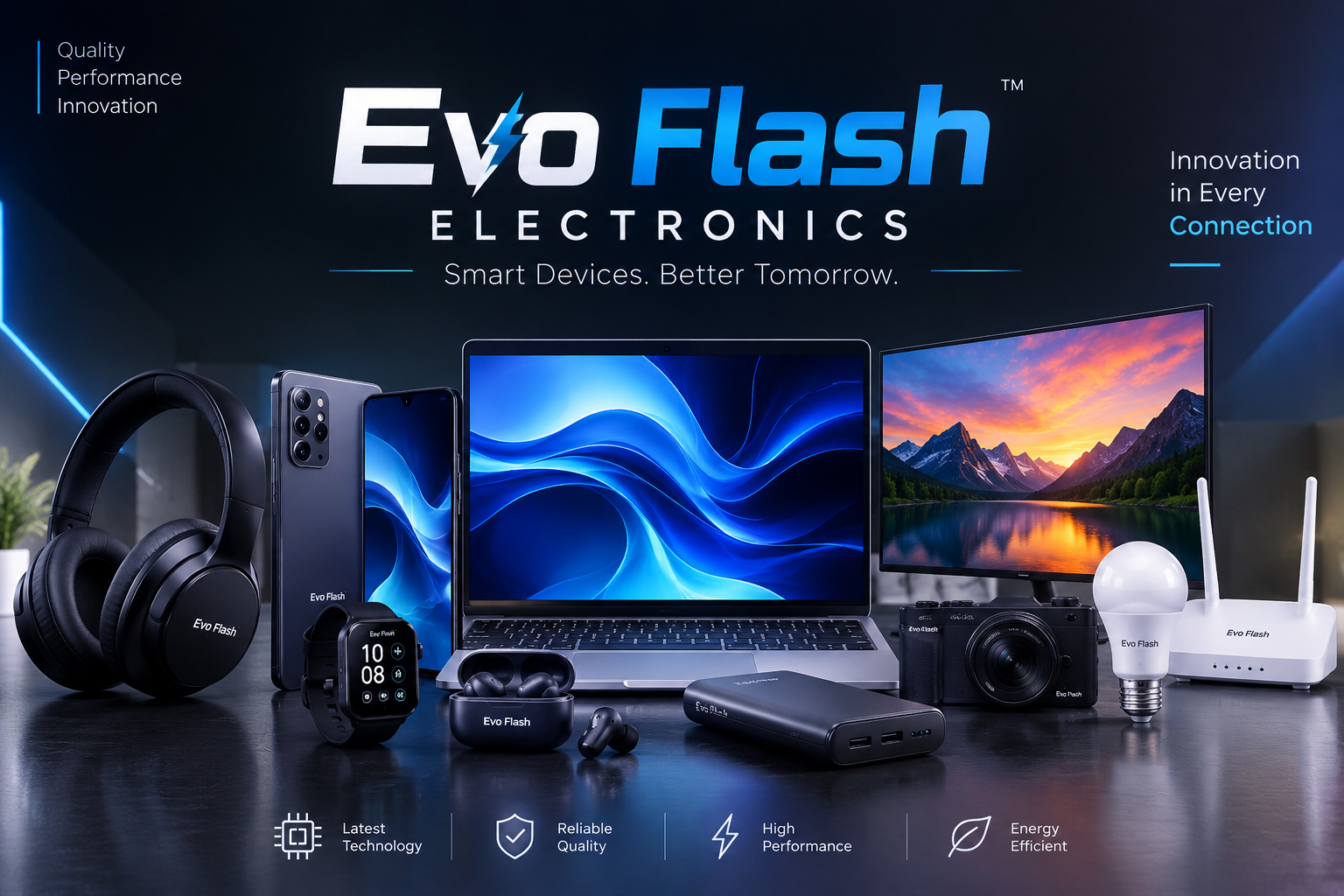
Consumer electronics are electronic products designed primarily for personal and household use. Smartphones, televisions, headphones, speakers, cameras, gaming devices, and smartwatches are common examples.
These products are generally designed to be easy to use and provide communication, entertainment, productivity, or convenience.
Consumer electronics have become increasingly connected. Many modern devices can communicate with smartphones, computers, wireless networks, and other smart devices.
2. Mobile Electronics
Mobile electronics include portable devices that can be used while travelling or moving between locations.
Smartphones are among the most important mobile electronic devices. Modern smartphones can perform many tasks that previously required separate devices. They can be used for communication, photography, navigation, entertainment, online learning, banking, and productivity.
Tablets and portable computers are also widely used because they combine portability with useful computing capabilities.
Wearable electronics, such as smartwatches and fitness-oriented devices, are another growing category. They can provide notifications, track activities, and connect with other devices.
3. Home Electronics
Home electronics include products designed to improve comfort, entertainment, communication, and household management.
Televisions, speakers, home theatre systems, routers, smart displays, and security devices are examples.
The development of smart home technology has made home electronics more interconnected. Some devices can be controlled through mobile applications or voice interfaces.
4. Computer Electronics
Computers depend on many electronic components working together. Processors, memory, storage devices, motherboards, displays, keyboards, mice, graphics hardware, and networking components all contribute to a computer system.
Computers are used in education, business, design, programming, research, communication, entertainment, and many other fields.
As software becomes more demanding, computer hardware continues to develop with faster processors, larger storage capacities, improved graphics performance, and more efficient designs.
5. Communication Electronics
Communication electronics are designed to transmit and receive information.
Routers, modems, wireless access points, network equipment, radio systems, and communication devices are examples.
Modern communication depends heavily on electronic systems because information must be processed, transmitted, received, and interpreted quickly.
Reliable communication electronics are important for homes, businesses, educational institutions, industries, and public services.
Common Electronic Components
Electronic devices contain numerous components, each serving a particular purpose.
Resistors
Resistors control the flow of electrical current in a circuit. They are commonly used to manage voltage and protect other components.
Capacitors
Capacitors store electrical energy temporarily and can help regulate signals and power within electronic circuits.
Diodes
Diodes generally allow current to flow in one direction. They are used in applications such as power conversion, signal processing, and protection circuits.
Transistors
Transistors are fundamental components in modern electronics. They can be used for switching and amplification and are essential to processors and many other electronic systems.
Integrated Circuits
Integrated circuits contain many electronic components within a small semiconductor package. They allow complex functions to be performed in compact devices.
Modern processors, memory chips, controllers, and communication systems depend heavily on integrated circuits.
Sensors
Sensors detect changes in the surrounding environment and convert those changes into electronic signals.
Temperature, light, motion, pressure, proximity, and acceleration are examples of information that can be detected by sensors.
How Electronic Devices Work
Although electronic devices can appear complicated, their basic operation usually involves several connected stages.
First, a device receives power from a battery, power adapter, or another electrical source. Electronic components then regulate and distribute this power.
Sensors or input devices may collect information. A processor or control circuit analyzes the information and determines what action should occur.
The system then produces an output. This could be an image on a screen, sound from a speaker, movement from a motor, or information sent through a communication network.
For example, when a user takes a photograph with a smartphone, the camera sensor captures light and converts it into electronic information. The processor then processes that information and stores the resulting image.
This combination of input, processing, and output is fundamental to many modern electronic systems.
Benefits of Electronics
Electronics provide many advantages in daily life and professional environments.
Improved Communication
Electronic devices make communication faster and more convenient. People can exchange messages, images, documents, and other information across long distances.
Increased Productivity
Computers and other electronic systems automate repetitive tasks and help users organize information, create documents, analyze data, and complete work efficiently.
Convenience
Electronic appliances reduce the effort required for many everyday activities. Smart devices can also provide automation and remote control.
Access to Information
The combination of electronics and the internet gives users access to educational resources, news, research, entertainment, and other information.
Entertainment
Televisions, speakers, gaming systems, headphones, cameras, and other devices provide many forms of digital entertainment.
Improved Connectivity
Modern electronic devices can connect with one another through wireless and wired technologies, creating interconnected digital environments.
Factors to Consider Before Buying Electronics
Buying an electronic device should involve more than simply choosing the product with the highest specifications. Different users have different requirements.
Purpose
The first consideration should be the intended use. A device for basic communication may not require the same features as one intended for gaming, professional work, photography, or advanced computing.
Performance
Processing capability, memory, storage, display quality, and connectivity can influence overall performance.
However, specifications should always be considered in relation to actual usage.
Build Quality
A well-built electronic product can provide better durability and reliability. Materials, design, construction, and overall product quality can influence how well a device performs over time.
Battery Life
For portable electronics, battery performance is an important factor. Longer battery life can make a device more practical for travel, education, and daily use.
Software and Updates
Software support can be just as important as hardware. Regular updates can improve security, fix problems, and add useful features.
Before purchasing a device, it is useful to understand how long the manufacturer is expected to support it.
Warranty and Service
Warranty coverage and access to service centers can provide additional confidence when purchasing electronics.
Consumers should check warranty terms carefully, including what is covered and how service claims are handled.
Price and Value
The cheapest product is not always the best choice, and the most expensive product may include features that a user does not need.
A better approach is to compare features, reliability, support, and long-term usefulness against the total cost.
Safe Use of Electronics
Proper use of electronic devices is important for safety and reliability.
Always use compatible chargers, power adapters, cables, and accessories. Damaged cables or power adapters should not be used because they may create safety risks.
Electronic devices should also be kept away from excessive moisture unless they are specifically designed for water exposure.
Ventilation is important for devices that generate heat. Blocking ventilation openings can cause excessive temperatures and may affect performance.
Users should follow manufacturer instructions and avoid opening devices unless they have the appropriate knowledge and equipment.
For electrical or electronic problems involving household wiring, power supplies, or potentially dangerous equipment, professional assistance is the safer option.
Maintaining Electronic Devices
Regular maintenance can help electronic products remain useful for longer.
Keeping devices clean prevents dust and debris from accumulating around important components. Screens should be cleaned with suitable materials rather than abrasive products.
Software should be updated when appropriate. Security updates are particularly important for internet-connected devices.
Storage should also be managed properly. Extremely full storage can make some devices slower and reduce the ability to install updates.
Portable devices should be protected from unnecessary drops, extreme temperatures, and moisture.
When a device is not being used for a long period, following the manufacturer’s storage recommendations can help protect its battery and other components.
Electronics and the Internet of Things
The Internet of Things, commonly called IoT, connects physical devices to networks so they can collect, exchange, and sometimes act on information.
Smart bulbs, connected cameras, smart speakers, sensors, appliances, and industrial equipment are examples of IoT-enabled electronics.
IoT can provide useful automation. For example, sensors can detect conditions and allow connected systems to respond automatically.
However, connected devices also require attention to security and privacy. Users should use strong passwords, update device software, and choose trustworthy products.
Electronics in Education
Electronics have become important tools in modern education.
Computers and tablets provide access to digital textbooks, educational websites, videos, simulations, and online classes.
Digital projectors and interactive displays can make classroom presentations more engaging.
Electronic tools can also help students develop technical skills. Learning about circuits, programming, robotics, and digital systems can provide useful knowledge for future careers.
The key is to use technology as a learning tool rather than allowing it to replace critical thinking and practical understanding.
Electronics in Healthcare
Electronic technology has significantly influenced healthcare.
Electronic monitoring systems can help medical professionals observe important patient information. Imaging systems and diagnostic equipment also rely on sophisticated electronics.
Digital records allow healthcare organizations to manage large amounts of information more efficiently.
Wearable technologies can also collect certain types of activity and wellness information, although such devices should not automatically be treated as replacements for professional medical equipment or advice.
Electronics in Business
Businesses use electronics throughout their operations.
Computers help employees manage documents, communication, accounting, design, customer service, and data.
Networking equipment allows employees and systems to share information. Security systems can help protect physical locations.
Electronic payment systems have also changed how businesses accept payments from customers.
As businesses become increasingly digital, reliable electronic infrastructure has become an important part of everyday operations.
Environmental Impact of Electronics
The rapid growth of electronics also creates environmental challenges.
Electronic waste, often called e-waste, includes unwanted or discarded electronic products. These products may contain valuable materials that can potentially be recovered through appropriate recycling processes.
Consumers can reduce waste by taking care of their devices, repairing products when practical, donating working electronics, and using responsible recycling programs when products reach the end of their useful lives.
Choosing durable products and avoiding unnecessary upgrades can also help reduce resource consumption.
Manufacturers are increasingly exploring more efficient designs, improved materials, energy efficiency, and recycling-related practices.
Future of Electronics
The future of electronics is expected to focus on greater efficiency, connectivity, automation, and intelligence.
Artificial intelligence is increasingly being integrated into electronic devices, allowing systems to process information and perform tasks more effectively.
Flexible and compact electronic designs may create new possibilities for wearable devices and other applications.
Energy-efficient components will remain important as electronic systems become more powerful.
Advanced sensors and connected devices are also expected to expand the use of automation in homes, transportation, manufacturing, healthcare, and other industries.
At the same time, security, privacy, sustainability, and responsible technology use will become increasingly important considerations.
How to Choose the Right Electronic Device
Choosing the right electronic device starts with understanding your actual needs.
Make a list of the features you require and separate essential features from optional ones. Compare several products rather than selecting the first option you see.
Read reliable specifications and product information carefully. Pay attention to compatibility, warranty, software support, performance, and expected lifespan.
It is also useful to consider the total cost of ownership. A device with a slightly higher initial price may provide better value if it offers stronger durability, longer software support, or lower maintenance requirements.
Avoid purchasing a product solely because it has impressive numbers. Specifications are useful, but practical performance and reliability matter as well.
Conclusion
Electronics have become an essential part of modern society. They support communication, education, business, entertainment, healthcare, transportation, home management, and countless other activities.
From simple electronic components to advanced connected devices, the field continues to evolve rapidly. Understanding basic electronics can help consumers make informed purchasing decisions, use devices safely, and maintain them properly.
The best electronic device is not necessarily the newest or most expensive one. It is the device that matches the user’s needs, provides dependable performance, offers suitable features, and delivers good long-term value.
As technology continues to advance, electronics will likely become even more integrated into everyday life. Responsible use, proper maintenance, security awareness, and environmentally conscious decisions can help people gain the benefits of technology while reducing unnecessary waste and risks.